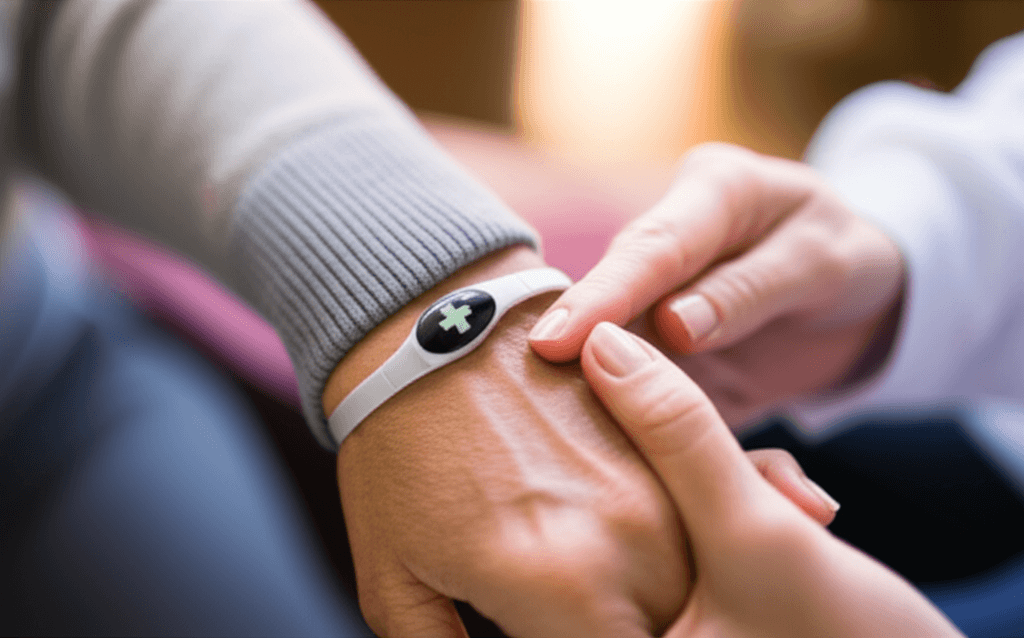
Canada’s elder care changes fast thanks to medical alert bracelets. These aren’t just simple ID bands now—they include cool features like location tracking, fall detection, and two-way communication. Imagine one small gadget that links someone in trouble to a live helper in seconds. This shift spreads across neighborhoods and care homes, making emergency response much quicker and easier for seniors and their helpers. Studies show faster help can cut serious injury risks by almost half. Knowing how these bracelets work can save lives and calm families watching from far away. Discover why this quiet change might mean everything in an emergency.
This article unpacks the technology and the practical choices that families face while offering real examples from Canadian settings. You will find clear comparisons of models and features, tips for real life use, and a look at the costs and privacy questions that matter most. If you want a short primer to share with relatives or a deeper look at how to pick a unit, read on for useful steps and resources including an elder care guide that complements this piece.
Why medical alert bracelets are central to Canadas elder care revolution
Many seniors prefer to stay in their own homes and maintain routines that are familiar. Medical alert bracelets provide a way to remain independent while creating a more visible safety net. In neighbourhoods from Vancouver to Halifax, health workers and family members report faster response times and reduced anxiety when a bracelet is used to contact help directly.
Community agencies have noticed lower hospital transports for minor incidents because a responder can triage on the spot. For example a fall in a kitchen may be handled with a phone call and an on site check rather than an ambulance when the bracelet confirms the person is uninjured. Those small reductions in emergency visits add up for overwhelmed local services.
How modern medical alert bracelets work and common features
Todays devices typically combine several components. Basic units broadcast a medical ID and emergency contact information. Advanced models have GPS, automatic fall detection, cellular radios and integrated microphones for two way voice. Battery life varies by model and by which features are active.
- Two way voice lets the wearer speak directly with a monitoring agent or a designated contact.
- GPS or location services are useful for people who may wander or who spend time outdoors.
- Fall detection can trigger an alert even when the wearer cannot press a button.
- Subscription services often cover monitoring and emergency dispatch for a monthly fee.
An example helps. Mrs Chen lives alone and chooses a bracelet with fall detection and GPS. One morning she slips in her bathroom and cannot get up. The fall sensor triggers an alert to the monitoring centre. Within minutes she hears a voice through the bracelet asking about her condition. She responds and a neighbour arrives while paramedics are on route if needed. The bracelet shortened the time she lay on the floor and reduced the chance of a secondary injury.
Benefits for seniors and caregivers with practical examples
For seniors the main benefit is continuity of daily life. Wearing a discreet device often means fewer forced moves to unfamiliar care settings because family members feel they have a reliable method of contact. For caregivers the advantage lies in reduced worry and clearer plans for emergencies.
- Example for families: A son who lives out of province uses location updates to verify that his mother left her apartment for a medical appointment and arrived safely. That single confirmation avoids repeated calls and stress.
- Example for care teams: A personal support worker uses the bracelet to get quick medical history when a client is confused, helping guide immediate care choices.
Beyond those immediate outcomes there are also societal benefits. Emergency departments in some regions report a decline in non urgent transports when monitoring services can handle situations remotely. Community first responders can be dispatched more efficiently when a device supplies an exact location.
Choosing the right medical alert bracelet for Canadian seniors
Selecting a device involves matching the wearer to features and to personal routines. Consider mobility patterns, cognitive status and the usual locations a senior visits. Rural coverage and cellular reception matter greatly in some provinces. A device that works well in a downtown setting may not perform the same in a lakeside cottage.
Key features to compare
- Coverage network Verify whether the unit uses cellular, Wi Fi or a proprietary radio. Check reception quality in the seniors common areas.
- Battery life and charging Evaluate how often the wearer can be expected to charge the device and whether the charging method suits them.
- Wearability Choose a style the senior will accept. Some prefer a watch style device others like a bracelet or pendant.
- Monitoring centre response Ask about average response times and how the centre communicates with local emergency services.
Questions to ask providers
- Is there a trial period to test network coverage in the seniors routine locations
- What are the monthly costs and are there contracts or cancellation fees
- Does fall detection generate false alarms and how are those handled
- How is medical and contact information updated
Cost options and financial supports in Canada
Costs for bracelets and monitoring vary. Some units are sold outright with a one time purchase and optional monitoring. Others are provided on a rental or subscription basis with a lower upfront charge. Monthly monitoring fees can range from modest to substantial depending on services such as 24 hour human monitoring and GPS tracking.
There are ways to manage expenses. Veterans, provincial health programs and some charities offer partial funding for medical alert systems in certain cases. Employers and unions sometimes have benefits that cover expenses for employees caring for relatives. When budgeting, include the cost of accessories, replacement chargers and possible shipping fees.
Tip If you are evaluating long term costs calculate the five year total price of purchase plus monitoring fees. That often reveals that a mid range unit with solid coverage can be more economical than a cheaper device with poor reception.
Privacy safety and legal considerations for health devices
Devices that collect location and health data raise privacy questions. Canadian privacy laws require clear consent for personal data collection and controls over how that data is shared. When choosing a provider ask for their privacy policy and for details on how data is stored and who can access it.
- Data retention policies differ. Confirm how long location and audio data are kept and whether you can request deletion.
- Find out if data is stored in Canada or abroad. Data residency can affect which laws apply.
- Look for multi factor access controls for account management and for the monitoring centre login.
Be aware of legal responsibilities if a device fails to notify a responder because of network outages. Read contracts carefully and keep a paper record of emergency plans that do not rely solely on technology.
Tips for integrating a bracelet into daily routines
Adoption goes beyond buying a unit. Create simple rituals so the device becomes part of daily life. Attach charging to a daily routine such as brushing teeth or having morning coffee. Keep a visible backup charger at a frequently visited spot and set a calendar reminder for testing the device weekly.
- Practice drills with the wearer. Simulate a non urgent alert so both the senior and the caregiver learn how the monitoring centre responds.
- Label chargers and place spare batteries in common locations when appropriate.
- Review contact lists each season and update medical notes after any new diagnosis or medication change.
For people living with cognitive decline attach a short instruction card to the fridge explaining the device purpose and who to call in common situations. Small visible cues help maintain consistent use.
Common misconceptions and realistic expectations
One misconception is that a bracelet removes the need for family involvement. In reality these devices work best when used as part of a care plan that includes check in calls and scheduled visits. Another myth is that all devices detect every fall. Sensitivity varies and some movements may not trigger a sensor. Expect a balance between false alarms and missed events.
Set realistic expectations about battery life and coverage. If a senior spends long periods away from cell towers, choose a unit known to perform well in low signal areas or consider models that pair with home base stations.
Medical alert bracelets have become a noticeable component of Canadas approach to elder care. They are practical tools that link seniors to timely help and reduce some burdens on caregivers and emergency services. When selecting a unit focus on coverage, wearability and monitoring practices. Test devices in real life settings and keep an eye on privacy policies and cost structures so there are no surprises.
Conclusion
The transition toward wearable emergency devices is part of a larger shift in how care is organized and delivered for older Canadians. Medical alert bracelets can reduce response times, assist caregivers with communication and provide seniors greater freedom to remain active in their communities. This article offered comparisons, examples and simple steps to evaluate options within Canada. Begin by testing a few models in the homes and routes that matter most to your family. Keep records of contact details and practice using the device so its benefits are realized when they matter most. If you want more resources consider the linked information above and speak with local health agencies about funding or support. Taking these steps will help you choose a device that fits daily life and responds reliably in times of need. Make a plan today and set one concrete action such as calling a provider for a trial or booking a demonstration.