The kitchen often stands as the true heart of any home. It is a place for cooking, gathering, and making memories. When we think about designing this space, we naturally want something beautiful and enduring. We want a style that feels right for our family and lifestyle.
One style that always sparks conversation is the Tuscan kitchen. It brings to mind images of sun-drenched Italian villas and rustic charm. Many people love its warmth and inviting feel. But the question remains, is the appeal of Tuscan kitchens timeless charm or a passing fad? I have spent years observing home design and I believe this style offers rich insights into lasting beauty.
At AO Campania Felix, we recognize that a home’s environment contributes to overall well-being. A thoughtfully designed kitchen is essential for a happy and healthy life. This exploration of Tuscan kitchens considers both current appeal and long term value in home design choices. I want to help you make informed decisions for your own living spaces.
The Enduring Allure of Tuscan Kitchen Design
Tuscan kitchen design captures a sense of history and natural beauty. It draws inspiration from the Italian countryside. This style is not just about aesthetics, it is about creating a feeling. I see kitchens designed this way as offering a retreat from the busy outside world. They become a cozy and grounding space.
The core of Tuscan design often features natural materials. Think about stone, wood, and wrought iron. These elements are inherently strong and durable. They also age beautifully over time. This creates a lived-in look that feels authentic. I find this approach much more appealing than styles that chase fleeting trends. Because these materials are so fundamental, they contribute to a kitchen’s long term appeal.
Warmth and Natural Materials
When you walk into a well-designed Tuscan kitchen, you immediately feel welcomed. This warmth comes from the color palette. Earthy tones such as terracotta, ochre, deep greens, and warm browns are common. These colors mimic the Italian landscape. They create a soft inviting atmosphere.
Beyond colors, the use of natural materials is key. I always recommend incorporating real wood for cabinetry or exposed beams. Rough-hewn stone or terracotta tiles for flooring also make a big impact. These materials are not just decorative, they are functional. They withstand daily wear and tear with grace. I appreciate how they bring an organic touch to a home. This truly connects the interior space with nature.
Functional Beauty in Design
Tuscan kitchens are not just pretty faces. They are designed with functionality in mind. Large central islands often serve as both prep space and a gathering spot. Sturdy range hoods become focal points. Deep sinks are practical for cooking and cleaning. This emphasis on utility makes the kitchen a truly usable space.
I find that many modern design trends sometimes overlook this balance. They prioritize looks over practical use. Tuscan design understands that a kitchen works best when it is both beautiful and highly efficient. The layout usually promotes easy movement. It supports a natural flow for cooking and entertaining. This blend of form and function contributes significantly to its lasting appeal.
Understanding Tuscan Aesthetics and Characteristics
To truly understand why some styles last and others fade, we must look at their defining characteristics. Tuscan kitchens are recognizable because of their specific aesthetic choices. These choices are deeply rooted in the region’s cultural heritage. I believe appreciating these details helps us assess their charm.
I often advise clients to consider how well a style integrates with the existing architecture of their home. A truly timeless design feels harmonious. Tuscan design achieves this through a consistent application of its core principles. It is about more than just picking a few Italian-inspired items. It is about creating a cohesive environment. This creates a sense of place and comfort.
Color Palettes and Textures
The colors are a cornerstone of Tuscan style. Picture walls painted in hues of golden yellow, olive green, or rusty red. These colors evoke a sunny Mediterranean vibe. They provide a rich backdrop for other elements. They avoid the starkness sometimes found in minimalist designs. I think this contributes to the cozy feel.
Texture is just as important. Think about distressed wood, rough plaster walls, and hand-painted tiles. These textures add depth and character to the space. They create visual interest. I often suggest clients look for materials with a slight imperfection. This embraces the natural and rustic feel. It moves away from overly polished or manufactured looks. This design choice gives the kitchen a sense of age and authenticity.
Architectural Details and Furnishings
Beyond colors and textures, Tuscan kitchens often include specific architectural details. Arched doorways or window frames are common. Exposed wooden beams on the ceiling also add a rustic touch. These elements recall old Italian farmhouses. They provide a strong structural base for the overall design.
Furniture in a Tuscan kitchen tends to be sturdy and substantial. Large wooden tables are often central pieces. Wrought iron chandeliers or sconces provide warm lighting. I believe these details ground the space. They make it feel established. They contribute to the feeling of a welcoming family gathering place. It is a style that truly leans into comfort and tradition.
The Argument for “Passing Fad” in Kitchen Design
While I appreciate the classic beauty of Tuscan kitchens, I also understand why some might consider them a passing fad. Design trends constantly shift. What feels fresh today can look dated tomorrow. This is especially true in a world that increasingly values sleek, minimal aesthetics. I have seen many styles come and go. It is important to evaluate any design for its potential longevity.
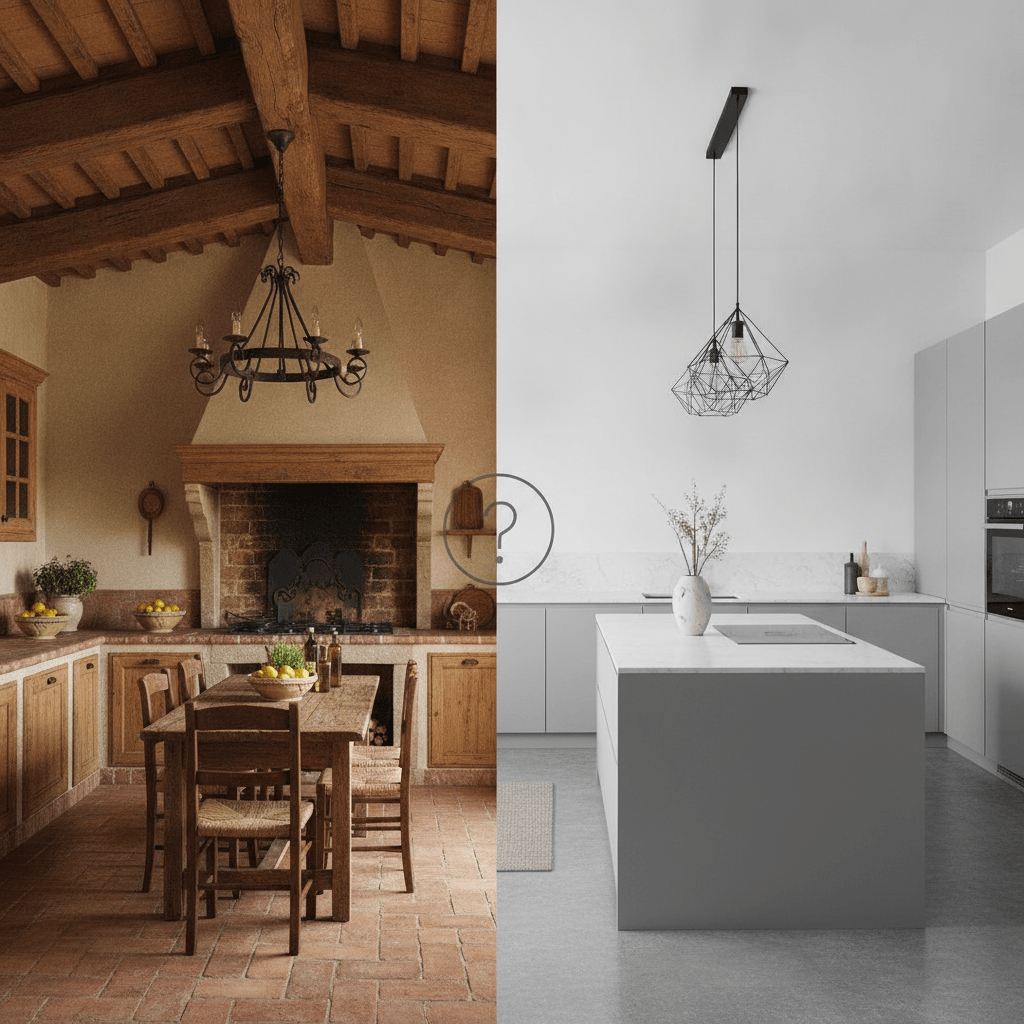
Modern living often demands lighter, more open spaces. The sometimes heavy feel of traditional Tuscan elements can conflict with these contemporary preferences. People are moving towards simplified forms. They want fewer ornate details. This shift in taste presents a challenge for highly specific styles like Tuscan. We need to consider if these preferences are strong enough to diminish its overall appeal.
Evolving Design Preferences
Today’s homeowners often gravitate towards clean lines and uncluttered spaces. They prefer open concepts. They also choose neutral color palettes. These preferences contrast with the rich, often ornate nature of Tuscan design. I notice a strong movement towards functionality that also emphasizes lightness. This can make traditional Tuscan elements seem heavy. It is a constant balance between heritage and modern needs.
Younger generations, in particular, favor minimalist or industrial styles. They prioritize smart home technology and seamless integration. These preferences sometimes do not align with the rustic charm of a classic Tuscan look. As an expert in overall well-being, I see how a home’s design reflects evolving lifestyles. It is a natural part of human progression. Current Tuscan kitchen style trends sometimes show a pull toward simplification. This is an effort to adapt to these changes.
The Cost Factor and Maintenance
Creating an authentic Tuscan kitchen can be expensive. Real stone, custom wood cabinetry, and specialized fixtures often carry a high price tag. This initial investment might deter some homeowners. They seek more budget friendly options. I know that cost is always a big consideration for any home project. This can make people lean towards styles that are simpler to achieve.
Furthermore, some of the materials like terracotta tiles might require specific maintenance. This can be more intensive than modern, low maintenance surfaces. While the durability is a benefit, the upkeep might not appeal to everyone. People today often prioritize ease of cleaning. They also value styles that demand less time and effort to maintain. This practical aspect is important for busy lives.
Adapting Tuscan Elements for Modern Homes
I believe that good design often allows for adaptation. A style does not have to be an all or nothing proposition. For those who love the warmth of Tuscan kitchens but want a fresher look, there are ways to blend it with modern sensibilities. It is about selective incorporation. It is also about thoughtful updates. This approach allows the timeless elements to shine without feeling dated. I encourage homeowners to pick and choose what they love most.
We do not have to abandon a style completely just because trends shift. Instead, we can find a middle ground. This allows us to honor classic aesthetics. It also lets us integrate current comforts and conveniences. This creates a personalized and enduring space. I think this method is smart for any homeowner seeking longevity in their design choices. It is a way to create a home that truly reflects individual taste.
Blending Old and New Elements
One effective strategy is to combine traditional Tuscan elements with modern pieces. For example, you could install classic wooden cabinetry but pair it with sleek stainless steel appliances. Or choose a rustic stone backsplash and then add contemporary lighting fixtures. This creates a dynamic contrast. It keeps the space from feeling too heavy or too stark. I find this mix and match approach often leads to very interesting results. It keeps the eye engaged without being overwhelming.
Another idea is to choose a more subdued Tuscan color palette. Instead of strong ochres, opt for muted golds or creams. These softer tones still evoke the Tuscan feel. But they integrate more easily with modern furnishings. This thoughtful combination can bring the best of both worlds into your kitchen. It is about balance and intentional choices. I have seen this work beautifully in many homes.
Subtle Tuscan Touches
If a full Tuscan remodel feels too intense, you can introduce subtle touches. Consider adding a large, hand-forged wrought iron pot rack. This brings a rustic charm without dominating the room. Terracotta planters with fresh herbs on a windowsill can also evoke the feel. This adds life and color to the kitchen.
Using natural wood cutting boards or serving dishes also works well. A few well chosen pieces can nod to the style. They do not require a complete overhaul. I often suggest focusing on textiles too. Linen dish towels or a simple woven rug can add texture. These small details can create an inviting atmosphere. They contribute to the overall mood of the room. It is all about enhancing the space with careful selections.
Investing in Lasting Kitchen Style
Making choices for your kitchen is a significant investment. You want a style that you will love for years to come. I always tell people to think about what truly resonates with them. It is important not to get swept up in temporary trends. A kitchen should reflect your personality. It also needs to support your daily life. Tuscan design offers a solid foundation for those who value warmth and tradition.
For me, a lasting kitchen style is one that feels comfortable and familiar. It is a space where you can truly relax and enjoy time with loved ones. When we consider the elements of Tuscan design, many of them contribute to this feeling. They include robust materials and an inviting atmosphere. These choices tend to hold their value over time. They are less prone to becoming quickly outdated. This thoughtful approach protects your investment.
When you are planning your kitchen, think about the materials you choose. Opt for quality over cheap imitations. Solid wood, natural stone, and durable tiles will stand the test of time. They will also look better as they age. This is a fundamental principle of good design. It is an investment in the future comfort and enjoyment of your home. I know that careful planning always pays off. It results in a space that truly lasts.
Conclusion: Tuscan Kitchens Timeless Charm for Your Home
The question of Tuscan kitchens being a timeless charm or a passing fad finds its answer in how we approach design. While some highly specific iterations of Tuscan style might appear less current than before, the core principles behind it are indeed timeless. The emphasis on natural materials, warmth, comfort, and functional beauty will always hold appeal. I believe that these qualities are fundamental to creating a welcoming home environment. They contribute significantly to our sense of well-being.
At AO Campania Felix, we advocate for living spaces that support a healthy and joyful life. A kitchen that feels grounded and inviting truly does this. By thoughtfully integrating the enduring elements of Tuscan design, you can create a space that offers charm without sacrificing modernity. You can blend rustic textures with cleaner lines. You can also soften color palettes to suit today’s tastes. This approach allows you to enjoy the best of both worlds. It ensures your kitchen remains a beloved part of your home for many years. Remember, good design evolves and adapts. It always retains its core essence.
So, whether you are planning a complete renovation or simply looking for ways to refresh your kitchen, consider the lessons from Tuscan design. Focus on quality, natural materials, and creating a space that feels genuinely warm and inviting. Choose elements that make you feel good and that you will love living with day after day. Take the time to explore how these classic ideas can enhance your own living space. It is a decision that impacts daily life. Making your home a place of comfort and enduring style is always a worthwhile endeavor. Start envisioning your ideal kitchen today and make choices that truly last.