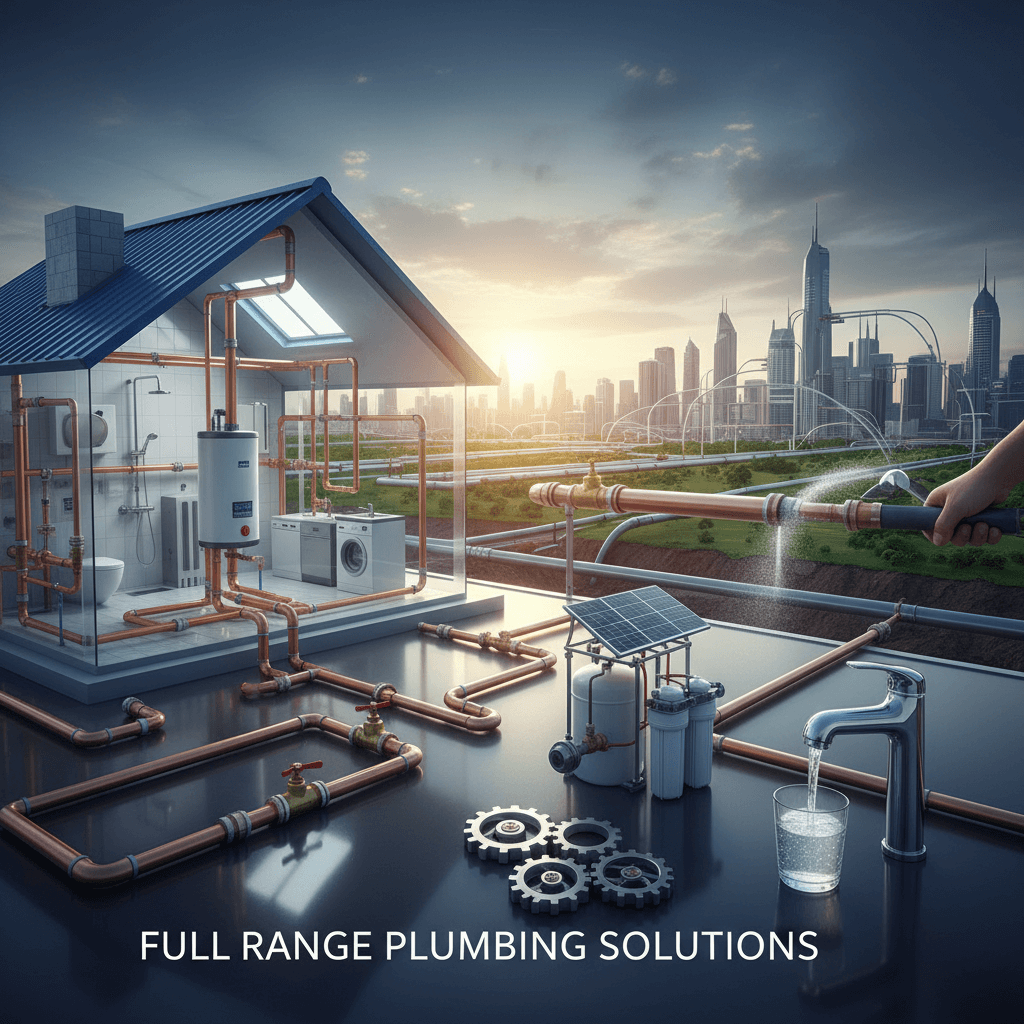
Full Range Plumbing Solutions do more than just fix or replace parts. They take a smart, planned route to keep water systems running without trouble by doing regular checkups, quick repairs, and clever improvements. Owning a single-family house or running a multi-unit building, knowing what a full plumbing service covers helps keep property value safe and stops expensive emergency fixes. Discovering these services can save big headaches and money down the line, making it worth diving deeper into how they work.
This article breaks down practical parts of full range plumbing solutions and gives real world tips you can use right away. From common leaks to regular maintenance routines and choices about pipes and fixtures, you will find clear examples and guidance that makes good sense for daily life. Read on to build a checklist you can use with plumbers or handle on your own when appropriate.
What Full Range Plumbing Solutions Means for Your Home
At its core this approach covers the life cycle of plumbing in a residence. That includes initial inspection, routine service, reactive repairs, upgrades for performance or code compliance, and replacement when components reach the end of useful life. The goal is steady function and fewer surprises.
Key elements include scheduled inspections of water heaters and shut off valves, checking for hidden leaks in walls or under slabs, testing water pressure, and reviewing drain patterns. A full range plan looks beyond a single broken pipe and evaluates how one issue could affect another area. For example a small leak under a sink left unchecked can cause mold in a cabinet and rot in the floor framing. Addressing the leak early reduces repair costs and keeps living spaces safe.
Common Plumbing Problems and Practical Fixes
Households see a handful of recurring problems. Knowing typical causes and simple first steps puts you in control while you arrange professional help if needed. Here are the most frequent issues and practical actions to take.
Leaks and Water Damage
Leaks appear at joints, valves, pipe connections, fixtures, and appliances. Small drips can run for months before visible damage shows. A quick check involves looking under sinks, around the base of toilets, and near a water heater for dampness or corrosion. If you find a steady leak, shut the water at the local shut off valve and then at the main if the leak continues.
- Tip check flexible supply lines beneath sinks on a seasonal basis
- Tip replace rubber washers in older faucets to stop slow drips
- Example a loose compression nut at a supply line often tightens with an adjustable wrench
Clogged Drains and Slow Flow
Hair, grease, food scraps, and soap buildup create slow moving drains. For tubs and showers a plastic hair catcher is a low cost prevention tool. For kitchen sinks avoid putting fat down the drain and run hot water after meal prep. If a basic plunger does not clear a blockage try a hand auger for shallow clogs. Avoid chemical drain cleaners since they can damage pipes over time and harm septic systems.
- Tip use a combination of baking soda and vinegar followed by hot water for mild blockages
- Tip remove and clean the trap under a sink to clear debris and retrieve lost items
Preventive Maintenance Tips to Save Money
Routine checks extend equipment life and reduce emergency calls. A few tasks performed twice a year will lower the chance of major repairs and improve system performance.
- Flush the water heater once a year to remove sediment that reduces efficiency
- Exercise shut off valves so they operate when needed
- Inspect exterior faucets and irrigation supply lines before cold weather if freezing is possible
- Check water pressure and regulate it with a pressure reducing valve if readings exceed recommended limits
Creating a maintenance calendar makes these tasks manageable. Note dates for filter changes, heater flushing, and main line inspections. When records are kept you can spot trends such as increasing frequency of clogs or a recurring leak location which points to a hidden issue.
Choosing the Right Plumbing Tools and Materials
Selecting correct materials prevents repeat work. Copper, PEX, and CPVC each have strengths and trade offs related to cost and installation method. PEX is flexible and resists freeze breakage in many conditions, while copper offers long term durability and heat resistance. Match material choice to the local code and specific application inside the home.
- Tip for fixtures choose ceramic disc faucets for longer service life
- Tip for seals use thread tape on threaded connections and replace old wax rings on toilets when replacing a fixture
- Example when running new lines consider access for future maintenance such as adding clean outs in long drain runs
When to Call a Professional
Many small tasks are fine for a homeowner with a few tools. Major repairs include slab leaks, sewer line failures, water heater replacement, and gas line work. Safety and building code compliance are top reasons to involve a licensed plumber for these jobs. A professional diagnosis can save time and reveal underlying problems that simple patch work might miss.
If you prefer having a local contact for both emergency response and routine care consider reaching out to expert plumbing services in your area. A single appointment can cover an overall check plus a plan for next steps and expected costs. That clarity helps with budgeting and keeps work aligned with local regulations.
Why Local Experience Matters for Plumbing Work
Plumbing differs by region due to soil conditions, local code requirements, and typical construction practices. A plumber familiar with nearby homes will spot common weak points such as older pipe materials prone to corrosion or shared external water mains that affect pressure for multiple properties.
Local knowledge shortens diagnostic time and lowers labor hours. For instance when trenchless sewer repair is available, an experienced local contractor will know if the soil and access points are suitable for that method. If the alternate method is needed they can explain trade offs and likely timelines so you can plan around the work.
Upgrades that Improve Comfort and Cut Costs
Not all upgrades are expensive. Small changes deliver measurable gains in household convenience and operating cost. Consider low flow fixtures and high efficiency toilets to reduce water usage. Installing a tankless water heater in the right layout can lower utility bills for households with high hot water demand by supplying hot water on demand without maintaining a large tank of heated water.
Other practical upgrades include installing water leak detection devices near appliances and in utility spaces. These devices can shut off the main when a continuous leak is detected. Adding easy access clean outs to long drain lines simplifies future service visits and can reduce time on site for a plumber which lowers the final bill.
Cost Expectations and Budgeting Tips
Plumbing work ranges from a small parts charge to multi thousand dollar projects. Simple repairs like replacing a faucet cartridge might be low cost when done as a standalone labor item. Complex projects such as re piping a house involve material costs, labor, permits, and potential finish repairs where walls or floors are opened.
- Tip always get a written estimate that lists labor, parts, and permit fees when applicable
- Tip confirm whether the plumber includes cleanup and disposal of old parts in the quote
- Example ask for options that phase work over time if budget is limited such as replacing sections of piping rather than a full re pipe
Compare warranties and any service guarantees. A clear warranty on both parts and labor provides protection after the job is done and clarifies responsibility in the event of repeat issues.
Every homeowner can reduce risk by taking a few small steps now. Keep a basic tool kit with an adjustable wrench, plunger, hand auger, and Teflon tape. Check visible pipework for early corrosion and schedule annual inspections for complex systems like water heaters and sewer lines. With these measures in place, many common problems are simpler to resolve and less disruptive to daily life.
In summary a full range approach to plumbing covers inspection, maintenance, repair, replacement, and guidance on upgrades. It helps spread expenses over time instead of facing large unexpected bills. Use regular checks, proper materials, and local professional help when work exceeds simple repairs. If you want an initial inspection or plan for ongoing care contact a local provider and ask for an itemized plan that matches your property needs. Starting with a single check up leads to clear next steps and fewer surprises down the road. Act now to protect your property value and daily comfort by scheduling a professional visit or starting a simple maintenance calendar today.