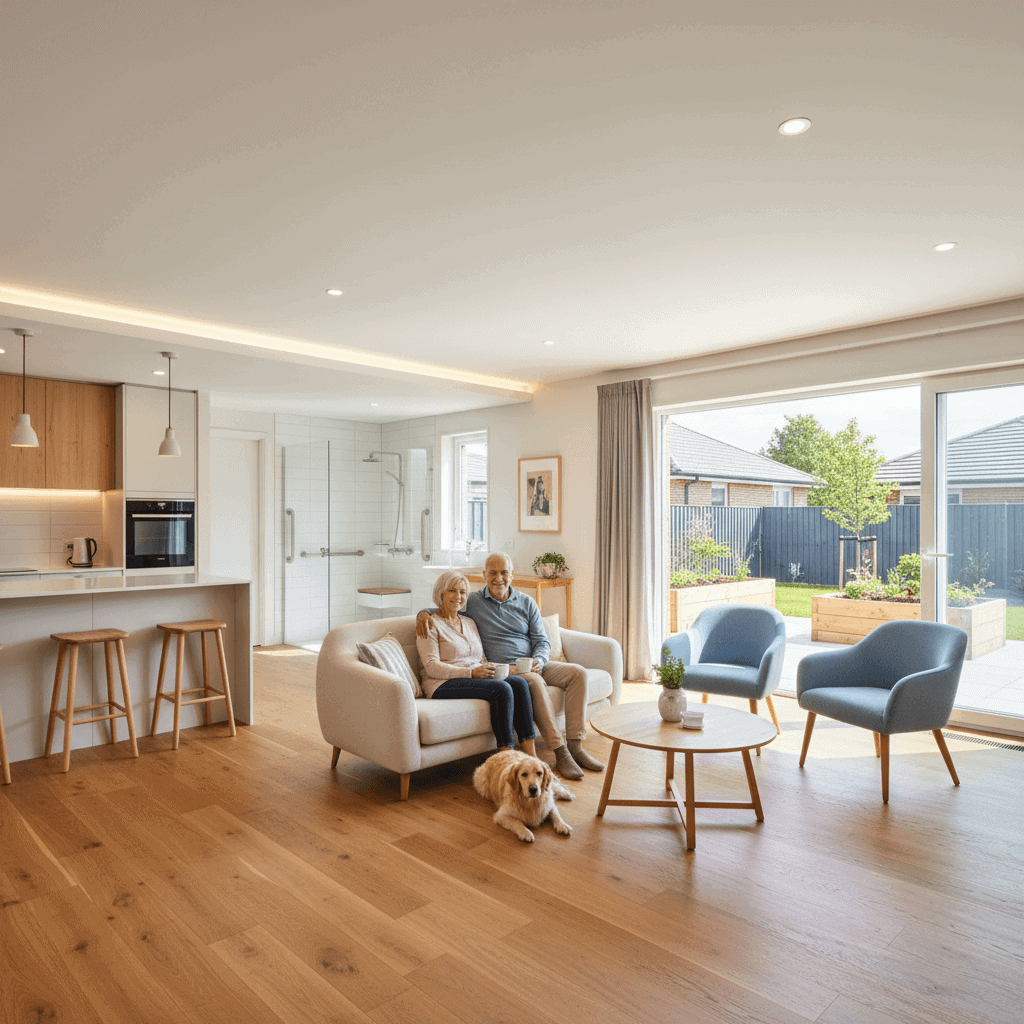
Simple home design for comfortable senior living means making smart changes that make a house easier to use, cozier, and safer without turning it into a hospital. Small adjustments to room layouts, materials, and fixtures can change daily life a lot. Clear, doable steps help older adults and their families enjoy a safe home that still looks nice. Knowing these tips opens the door to an easier, happier living space, sparking new ideas that bring comfort and calm. Keep reading to discover how these simple shifts can turn any house into a welcoming haven.
The goal is to keep life familiar while reducing trips, stumbles, and frustration. I will share room by room pointers, measurable guidelines, and low cost ideas that improve mobility, visibility, and comfort. These suggestions favor simple modifications that work immediately and age well over time.
Core principles of Simple Home Design For Comfortable Senior Living Now
A handful of guiding principles steers all design choices. Use these as a checklist when evaluating rooms and furniture.
- Clear circulation Keep primary walking routes at least 36 inches wide. Remove small tables, loose rugs, and low-lying clutter.
- Stable surfaces Choose seating with firm cushions and arms for push-off and sitting. Beds and chairs at 17 to 19 inches seat height are easier to use.
- Good lighting Aim for layered light. Task lighting over work surfaces plus even ambient light reduces glare and shadows.
- Simple controls Replace round knobs with levers, use rocker light switches, and favor single-handle faucets to make operation easier.
- Slip resistance Select matte finish floors with a firm underfoot feel and use non-slip mats in wet zones.
Entryways and halls that welcome and protect
The first few feet of a home are crucial. A thoughtful entry reduces falls and frustration when coming in with packages or groceries.
- Provide a bench or chair near the door so people can sit to put on shoes. Include a low shelf or basket for keys and mail at a reachable height.
- Install a covered landing and a non-slip mat to prevent wet floors at the doorway.
- Consider a ramp with a low rise rather than multiple steps. Keep slopes gentle, ideally 1:12 rise to run where space allows.
Living rooms and bedrooms that combine comfort and mobility
These rooms should prioritize easy movement and restful seating. A few standard dimensions help with selection and layout.
- Arrange furniture to maintain a 36 inch clear path between seating and exits.
- Use seating with 18 to 20 inch seat height and firm armrests. Sofas on legs make transfers easier than ones that sit very low to the floor.
- Place lighting controls within arm reach of seating and beds. Consider lamps with large on off switches or bedside rocker switches.
Bedroom specifics
Bed height matters. A mattress top around 20 to 24 inches from the floor helps many older adults stand up easily. Keep a clear area of at least 30 inches on both sides where possible for caregiver access or walking aids.
Seating and storage
Choose open front storage rather than deep low cabinets that require bending. Use pull out drawer organizers and labels to make finding items quick.
Kitchens and bathrooms tuned for daily tasks
Kitchens and bathrooms are high risk areas if not planned carefully. Small changes reduce exertion and slips.
- Install lever style handles on faucets. Single lever models make temperature and flow adjustments quick.
- Consider pull out shelving instead of deep fixed shelves. Items are easier to reach and kneeling is reduced.
- Place frequently used items between knee and shoulder height to avoid bending or stretching.
Accessible kitchen layout
When possible, create a work triangle with appliances and sink within comfortable reach of one another. A side work surface at counter height helps with sitting tasks. Roll under space at a prep zone is useful if a wheelchair is ever needed.
Shower and toilet safety
Choose a curbless or low threshold shower to remove trip hazards. Install a built in seat or add a stable fold down seat. Place grab bars near the shower and toilet at heights commonly between 33 and 36 inches from floor, and mount them into studs for strength.
Lighting and visual cues that reduce mistakes
Declines in vision and contrast sensitivity are common with age. Good lighting and deliberate contrast improve independence and reduce missteps.
- Use higher lumen bulbs in task areas like kitchen counters and bedside tables. Aim for 300 to 500 lux for reading and food prep zones.
- Reduce glare by choosing matte finishes for walls and counters. Indirect lighting or shaded fixtures cut harsh reflections.
- Introduce contrast between floor and walls and between steps and risers to make level changes obvious.
Flooring and thresholds that keep people steady
Floor materials should feel secure underfoot and be easy to maintain. Avoid thick, soft carpets that hinder walkers and wheeled devices.
- Low pile carpets and non slip vinyl are good options. Look for products with a slip resistance rating appropriate for home use.
- Keep thresholds flush or as low as possible. A bevelled transition strip under 1/4 inch reduces tripping risks and makes wheeled mobility smoother.
- Use rugs only if backed with a non slip pad and taped edges. Better yet, phase out loose rugs in high traffic zones.
Practical, budget friendly upgrades you can do this weekend
Not every change needs a contractor. The following projects are low cost and provide immediate impact.
- Swap round door knobs for lever handles. This takes under an hour per door and requires basic tools.
- Replace incandescent bulbs with warm LED bulbs that provide higher light output at lower energy cost.
- Install motion sensor lights in hallways and bathrooms so areas light up when someone enters.
- Add non skid tape to steps and inside showers for a quick traction boost.
- Rearrange frequently used items so they sit at waist height, avoiding bending or reaching.
Design that respects style and dignity
Simple design for senior living does not mean plain rooms. Color, texture, and furniture selection make a home inviting while keeping function central. Choose fabrics that are stain resistant and easy to clean. Pick colors with contrast to help with depth perception without creating a clinical look.
For personal items and memories, display photographs at eye level and use well lit shelving. A small comfortable nook with a good reading lamp encourages activity without overwhelming a room.
How to prioritize changes and when to call a pro
Start with a home safety audit. Walk each room at the pace of the most vulnerable family member and note hazards or awkward reaches. Categorize fixes into immediate, near term, and long term. Immediate actions are low cost and high impact items such as removing rugs, adding handrails, and improving lighting.
Call a contractor for structural work like ramps, full bathroom remodels, or relocating utilities. For installations that bear weight or change layouts, professional mounting and permits may be needed. If you need help with design or want ideas that fit a particular house, consult a designer who has experience with homes for older adults.
For deeper reading on balancing comfort, style, and safety at home you can read the full story that offers real world examples and photo references.
Conclusion
Simple Home Design For Comfortable Senior Living Now asks you to focus on clarity, stability, and ease of use. Minor changes such as adding lever handles, improving contrast, and rethinking furniture placement can markedly reduce strain and help people remain connected to the spaces they love. A room that supports standing, sitting, reaching, and seeing reduces daily frustration and lets residents spend energy on living instead of coping with obstacles.
Begin with a house walk through and note the handful of high priority items that will produce immediate benefit. Implement the basics this month then schedule larger projects as budgets and time allow. Remember that tasteful choices and practical details are compatible. If maintaining independence at home matters to you or a family member, apply one to three of the ideas above this week and track the difference. If professional help is needed for a larger remodel, request references and look for contractors who can show work in occupied homes. Take the first step today and enjoy a home that supports comfortable aging while retaining personality and warmth.